Understanding Seasonal Air Quality Challenges
In Snelleville, Georgia, the changing seasons bring unique air quality challenges that homeowners must navigate to maintain healthy indoor environments. From pollen surges in spring to humidity spikes in summer, each season presents distinct issues that can impact indoor air quality. This guide will help homeowners understand these seasonal challenges and offer practical solutions to ensure a safe and comfortable home all year round.
Spring: Battling Pollen and Mold Spores
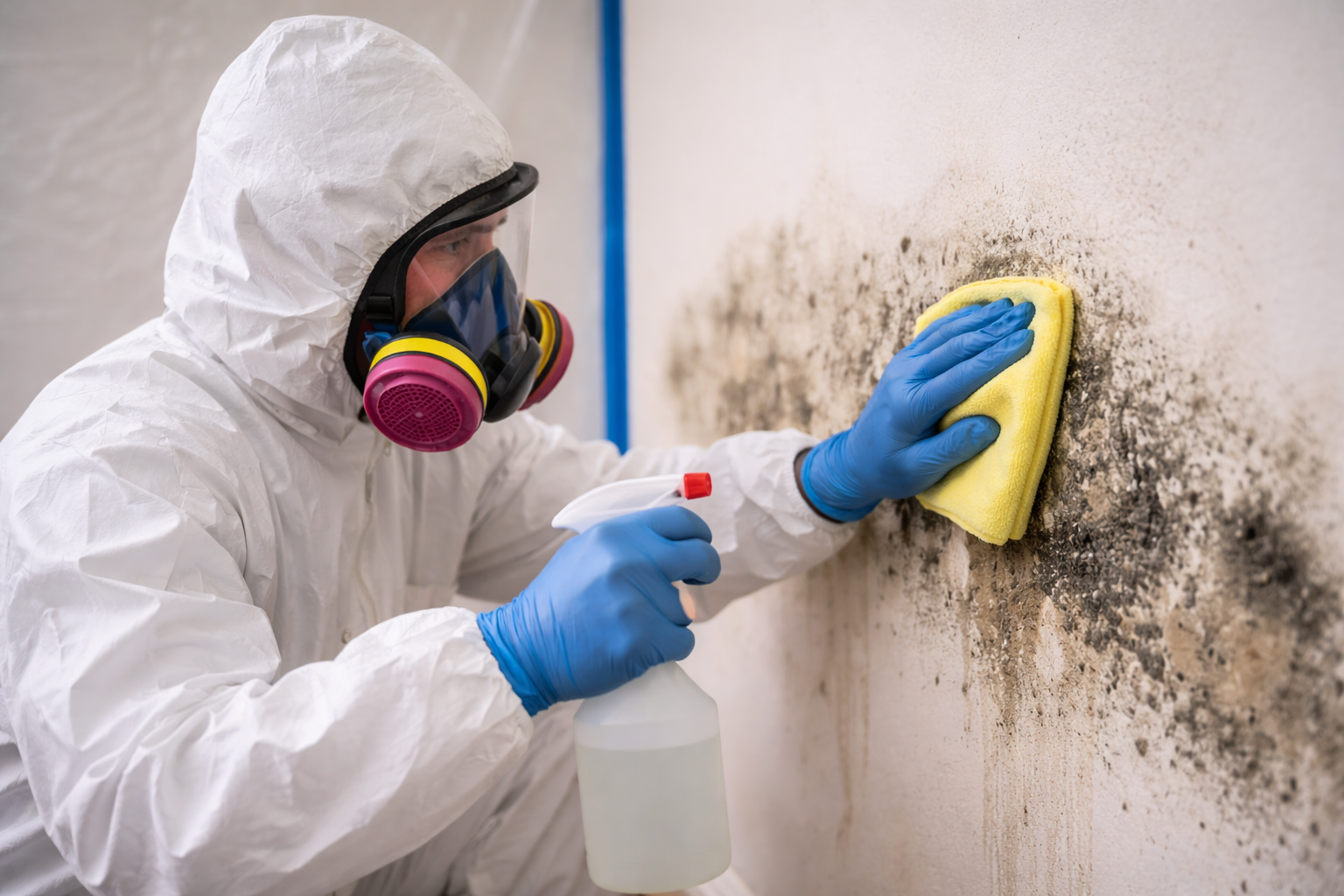
As spring blooms in Snelleville, the air becomes filled with pollen from trees, flowers, and grasses. These allergens can easily infiltrate homes, affecting those with allergies or respiratory conditions. Additionally, the increased moisture from spring rains can lead to mold growth, particularly in basements and crawlspaces.
Solutions for Spring Air Quality
- Air Filtration Systems: Invest in high-efficiency particulate air (HEPA) filters to capture pollen and other allergens before they circulate indoors.
- Regular Cleaning: Frequently dust and vacuum using a vacuum cleaner with a HEPA filter to minimize indoor pollen levels.
- Mold Inspection and Prevention: Utilize professional mold inspection services to catch and remediate mold growth early. Consider crawlspace encapsulation to reduce moisture retention.
Summer: Managing Humidity and Ventilation
Summers in Snelleville are characterized by high temperatures and humidity levels, which can make indoor environments uncomfortable and promote mold growth. Proper ventilation and humidity control are essential during this time.
Strategies for Summer Comfort
- Dehumidifiers: Use dehumidifiers to maintain indoor humidity levels below 60%, preventing mold and mildew.
- Ventilation Systems: Ensure your home's ventilation systems are functioning optimally to circulate fresh air and expel humid indoor air.
- Crawlspace Encapsulation: Encapsulating crawlspaces can prevent moisture from seeping into your home, reducing humidity levels and potential mold issues.
Fall: Controlling Dust and Indoor Allergens
As autumn arrives, falling leaves and cooler temperatures can lead to increased dust and allergens indoors. Homeowners often close windows, which can trap pollutants inside.
Fall Maintenance Tips
- Regular HVAC Maintenance: Schedule routine HVAC inspections and filter replacements to ensure efficient operation and clean air circulation.
- Sealing Air Leaks: Inspect and seal any gaps or leaks in doors and windows to prevent outdoor allergens from entering the home.
- Air Purifiers: Consider portable air purifiers in key areas to reduce dust and allergens.
Winter: Addressing Indoor Air Pollution
In winter, the emphasis shifts to indoor air pollution as homes are sealed tight to conserve heat. This can trap pollutants from heating systems, cleaning products, and other sources.
Winter Air Quality Solutions
- Ventilation Improvements: Use mechanical ventilation systems to introduce fresh air without compromising indoor warmth.
- Radon Testing: Winter is an ideal time for radon testing, as homes are sealed and radon levels may increase.
- Carbon Monoxide Detectors: Install and regularly test carbon monoxide detectors to ensure safety from heating system emissions.
Proactive Measures for Year-Round Air Quality
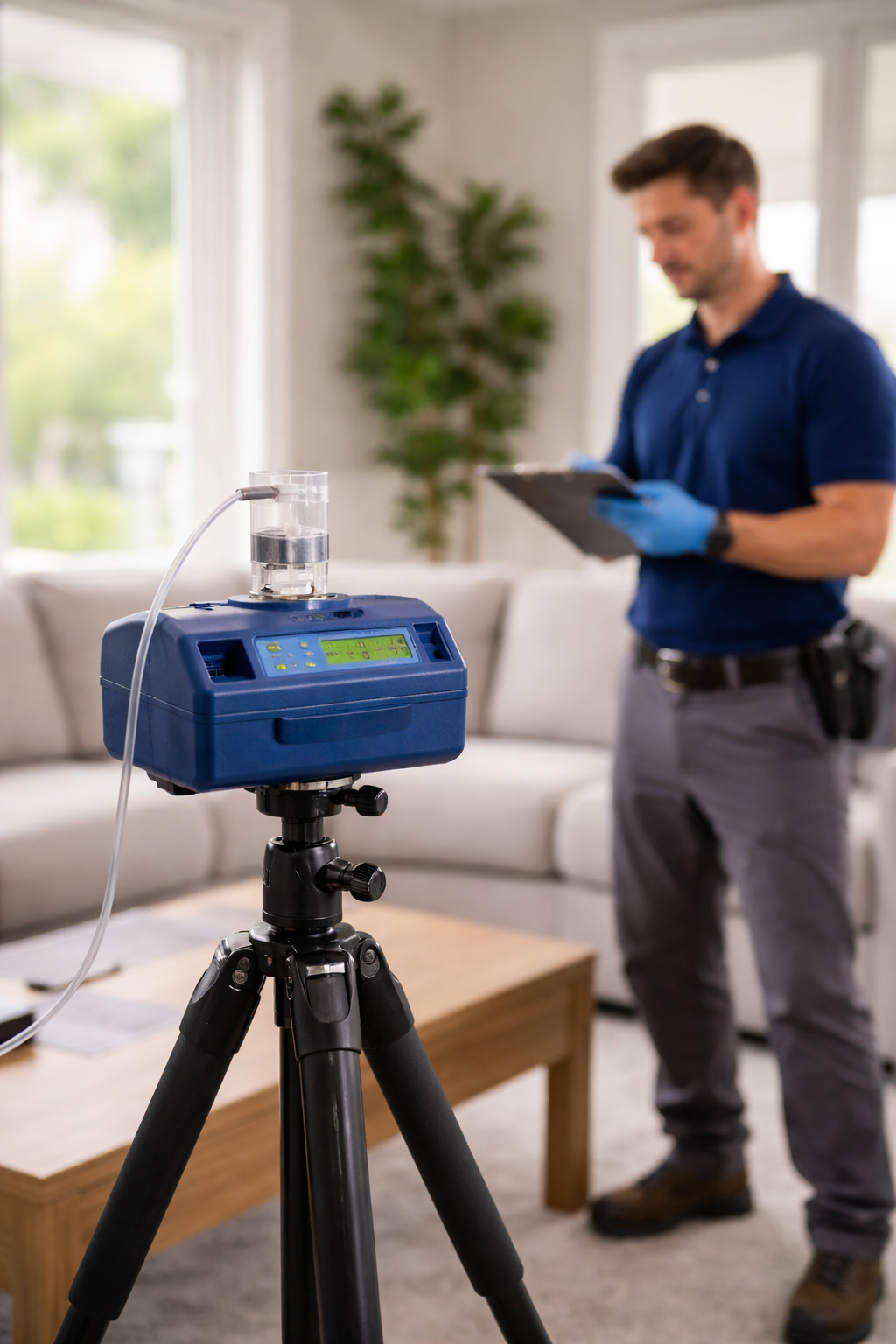
Seasonal changes in Snelleville impact indoor air quality in various ways. By understanding these challenges and implementing targeted solutions, homeowners can maintain a healthy living environment throughout the year. Regular professional air quality testing and maintenance of HVAC and ventilation systems are crucial steps in this ongoing process.
For expert advice and services, contact Fresh Air Solutions in Snelleville, Georgia. Our team provides comprehensive air quality testing, mold removal, and crawlspace encapsulation services tailored to your home's specific needs.