Introduction: The Importance of Air Quality for Snelleville Businesses
As a small business owner in Snelleville, Georgia, ensuring a healthy work environment is crucial for both employee well-being and operational efficiency. In 2026, maintaining optimal air quality is not just a matter of compliance but a strategic advantage. Poor air quality can lead to increased employee absenteeism, lower productivity, and potential health risks, which directly impact your bottom line. This guide provides practical steps and best practices tailored for small businesses to enhance indoor air quality.
Understanding Air Quality: What Business Owners Need to Know
Air quality refers to the cleanliness of the air inside your business premises. It is influenced by various factors, including ventilation, humidity levels, and the presence of pollutants such as mold and dust. In Snelleville, where humidity is a common concern, businesses are particularly vulnerable to mold growth and poor air circulation. Understanding these elements is the first step toward effective management.
Key Air Quality Factors
- Ventilation: Ensures the circulation of fresh air, reducing indoor pollutants.
- Humidity Levels: Ideal levels range between 30-50% to prevent mold growth.
- Pollutant Sources: Identify and manage sources like cleaning chemicals and outdoor air infiltration.
Step-by-Step Guide to Enhancing Air Quality
Implementing air quality improvements need not be complex. Here is a step-by-step guide to help you enhance your workplace environment:
1. Conduct an Air Quality Assessment
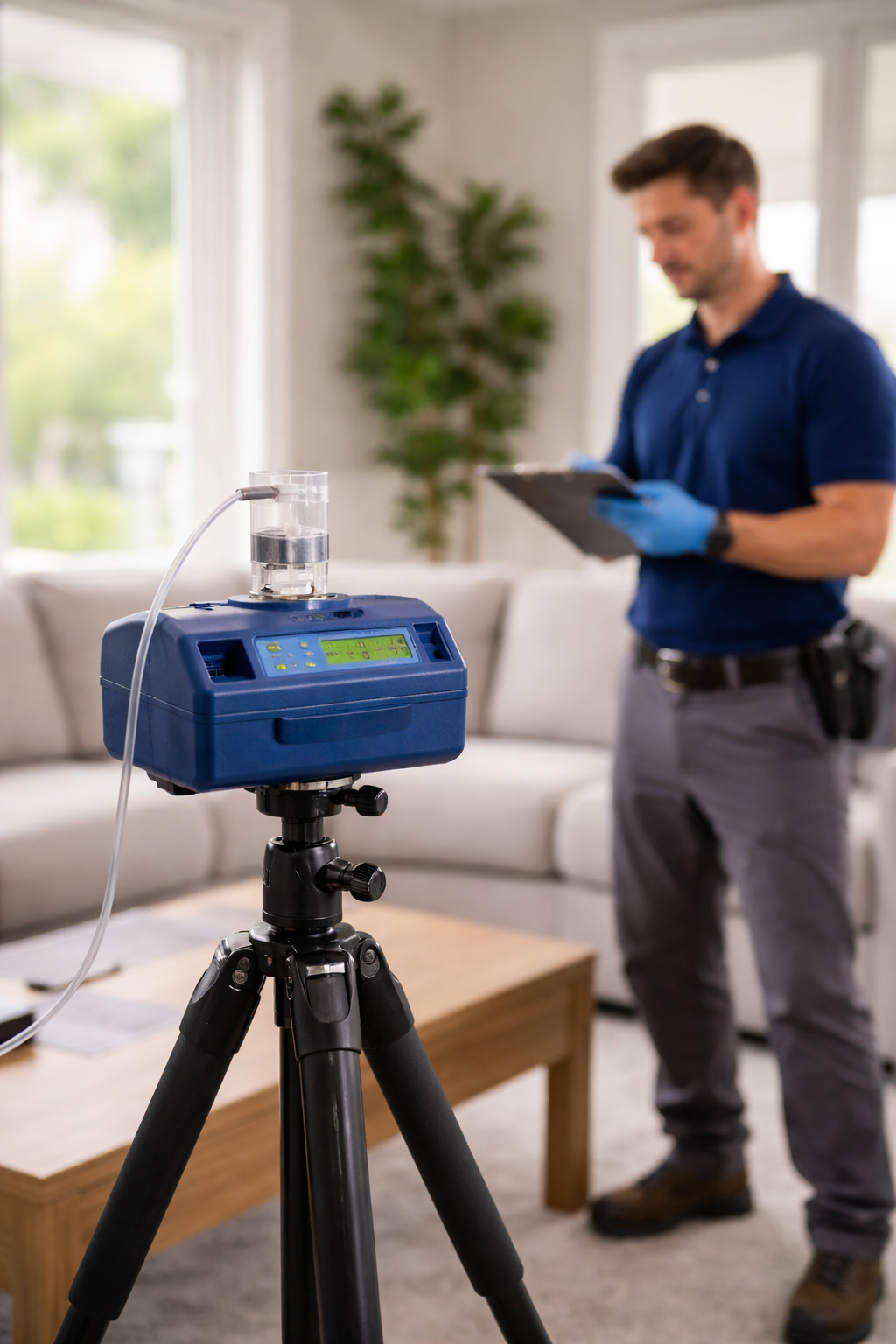
Start with a comprehensive air quality assessment. This will help identify specific issues such as high humidity or the presence of volatile organic compounds (VOCs). Engaging professional services like Fresh Air Solutions for testing can provide detailed insights and actionable recommendations.
2. Improve Ventilation Systems
Ensure that your HVAC systems are up-to-date and functioning efficiently. Regular maintenance checks can prevent issues before they escalate. Consider installing air purifiers or upgrading to advanced HVAC systems that include air filtration capabilities.
3. Control Humidity
Use dehumidifiers to maintain optimal humidity levels, especially during Georgia’s humid months. This can significantly reduce the risk of mold development, which is a common issue in crawlspaces and basements.
4. Implement a Regular Cleaning Schedule
Routine cleaning minimizes dust and allergens. Use eco-friendly cleaning products to reduce the introduction of harmful chemicals into the air. Encourage employees to keep workspaces tidy to further reduce dust buildup.
5. Address Mold Issues Promptly
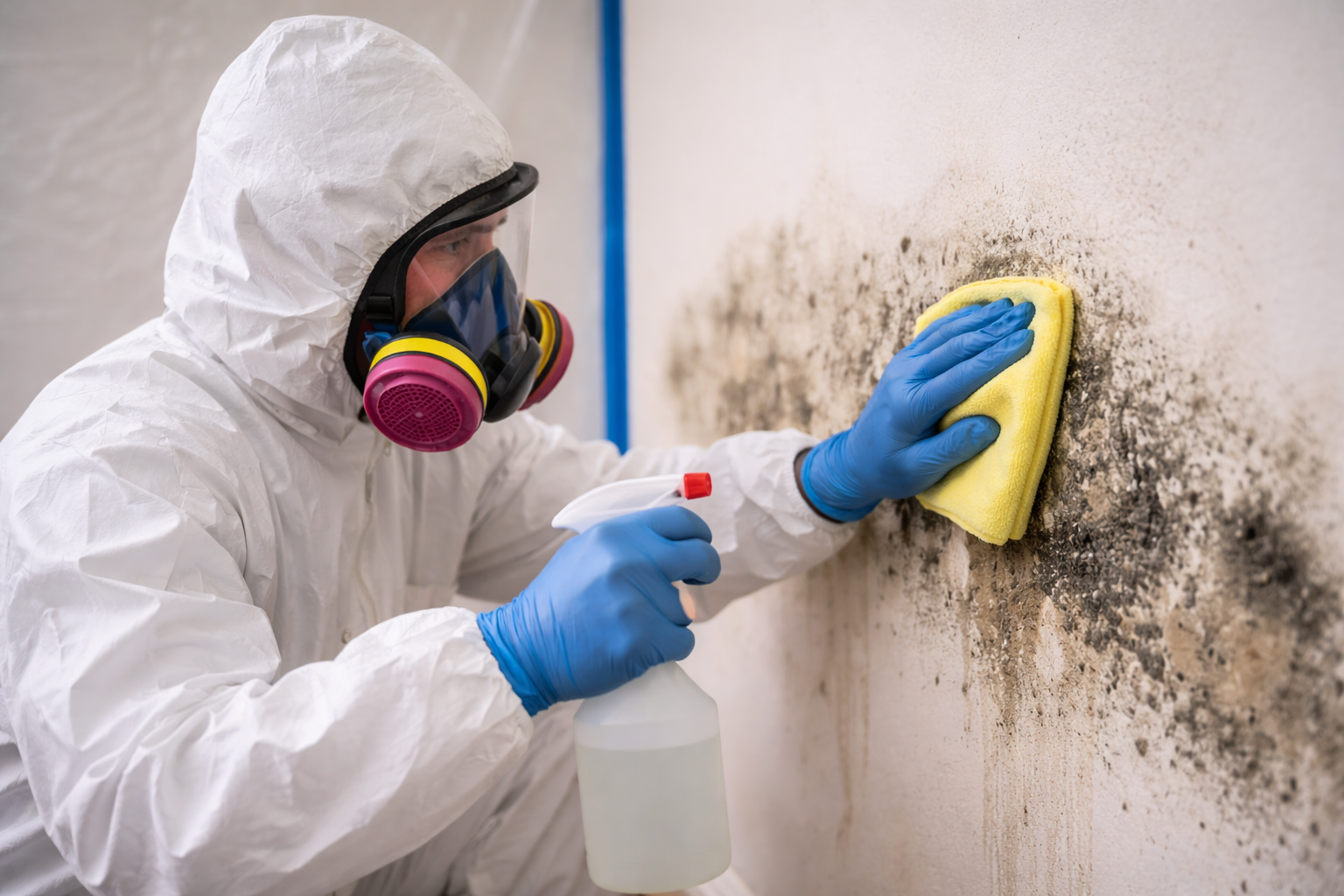
If mold is detected, prompt removal is critical. Professional mold remediation services ensure thorough removal and prevent recurrence. Consider crawlspace encapsulation to protect against future mold growth.
Best Practices for Maintaining Air Quality
Once initial improvements are made, maintaining air quality should be an ongoing effort. Here are some best practices:
Regular Monitoring
Install air quality monitors to track changes over time. These devices provide real-time data and alerts, allowing you to address issues proactively.
Employee Education
Educate your staff about the importance of air quality and how they can contribute. Simple actions like opening windows for ventilation or reporting leaks can make a significant difference.
Update Policies
Incorporate air quality management into your company’s health and safety policies. This ensures that air quality remains a priority and is systematically addressed.
Conclusion: A Breath of Fresh Air for Your Business
Enhancing air quality in your Snelleville business is an investment in your employees' health and your company’s future. By following these practical steps and best practices, you can create a safer, healthier, and more productive work environment. For comprehensive air quality solutions, consider partnering with local experts like Fresh Air Solutions to tailor strategies that meet your specific needs.
Remember, in 2026 and beyond, air quality is not just about compliance—it's about creating a thriving business environment where employees and operations can reach their full potential.