Understanding the Importance of Air Quality at Home
In 2026, maintaining optimal air quality in your home is more crucial than ever, especially in Snelleville, Georgia, where humidity and seasonal changes can impact indoor environments. Poor air quality can affect your health, comfort, and overall quality of life. For homeowners unfamiliar with air quality management, this guide offers simple, effective strategies to enhance indoor air conditions.
Recognizing Signs of Poor Air Quality
Before diving into solutions, it's essential to identify symptoms of poor air quality. Common indicators include:
- Excessive dust buildup on surfaces
- Frequent allergy symptoms like sneezing or coughing
- Lingering odors or stuffy air
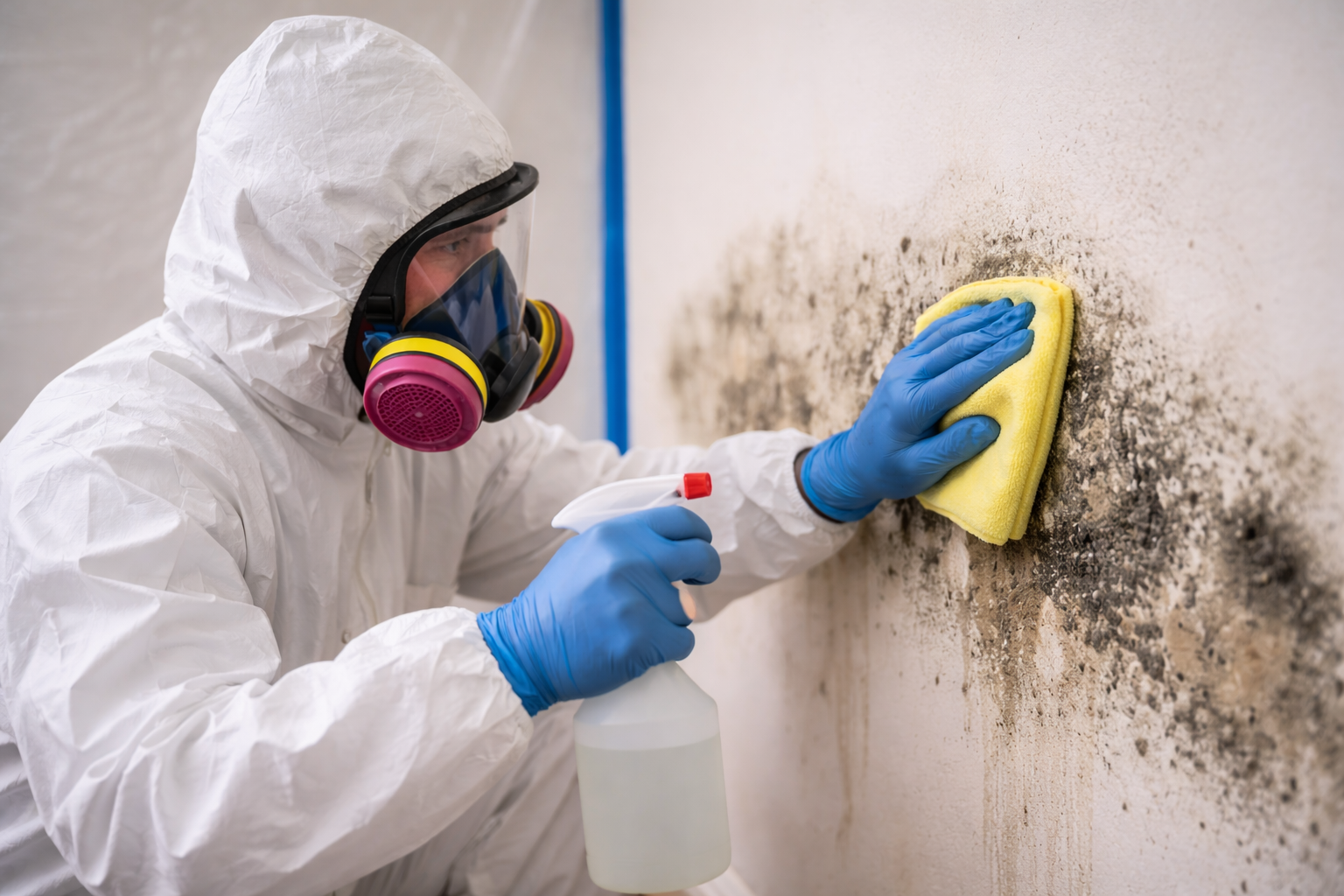
- Mold or mildew growth
- Increased humidity levels
If you notice any of these signs, it may be time to take action.
Step 1: Regular Air Quality Testing
Conducting regular air quality tests is the first step in identifying pollutants and allergens in your home. Home testing kits are available for purchase, but for accurate results, consider hiring professionals like Fresh Air Solutions in Snelleville. These tests can detect issues with mold, VOCs (Volatile Organic Compounds), and other harmful pollutants.
Step 2: Implementing Effective Ventilation
Proper ventilation is key to improving indoor air quality. Here are some beginner-friendly tips:
Natural Ventilation
Whenever possible, open windows and doors to allow fresh air to circulate. Cross-ventilation, where air flows from one side of the house to the other, can effectively reduce indoor pollutants.
Mechanical Ventilation
Consider installing exhaust fans in high-humidity areas such as bathrooms and kitchens. These fans help remove moisture and odors, preventing mold growth and improving air circulation.
Step 3: Regular HVAC Maintenance
Your heating, ventilation, and air conditioning (HVAC) system plays a vital role in maintaining air quality. Ensure regular maintenance, including:
- Changing air filters every 1-3 months, depending on usage and filter type
- Scheduling annual professional inspections and cleaning
- Ensuring ducts are clear and leak-free
These steps can enhance system efficiency and reduce airborne contaminants.
Step 4: Mold Prevention and Removal
Mold can significantly degrade air quality and pose health risks. Here’s how to manage it:
Preventing Mold Growth
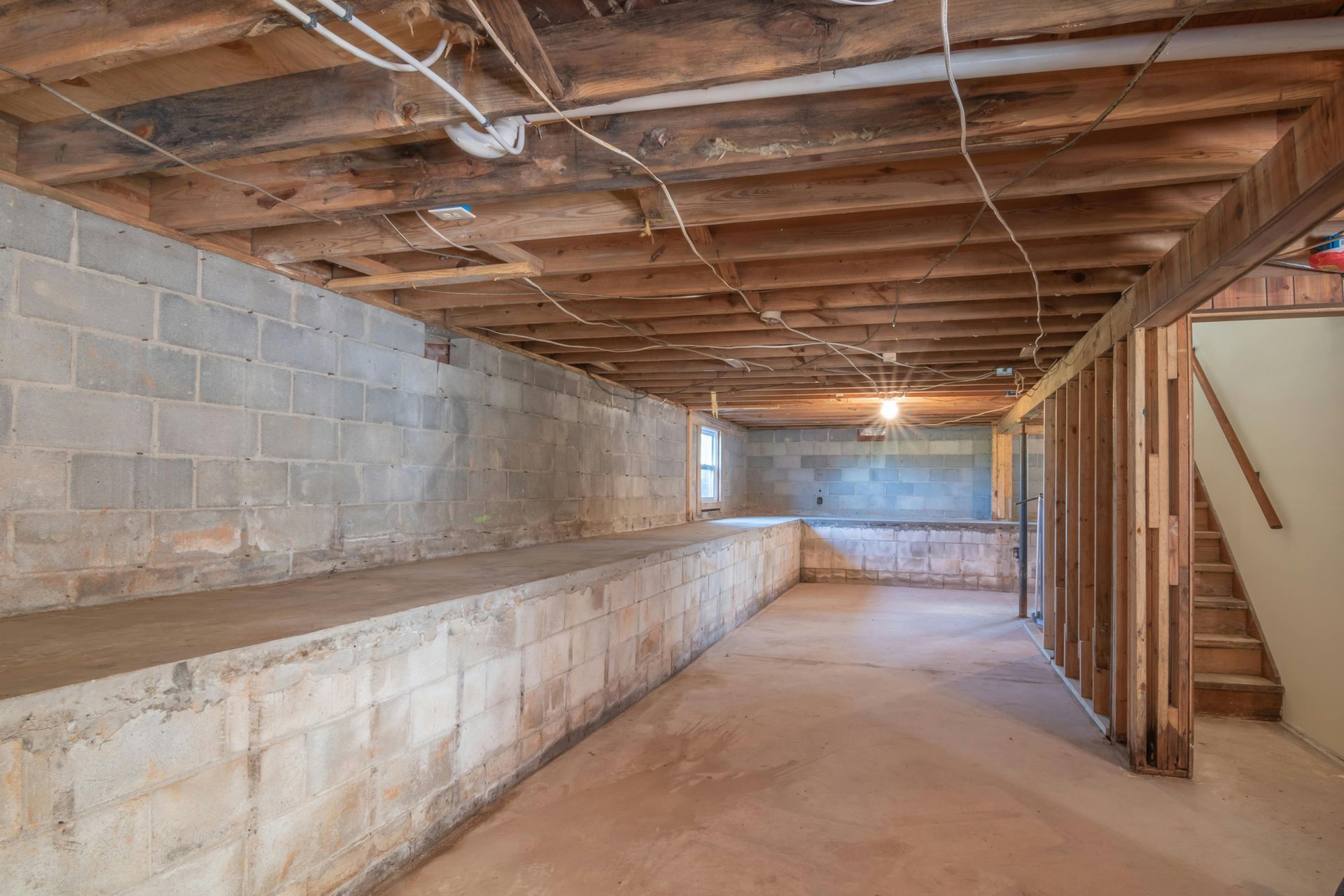
Keep humidity levels below 60%, fix leaks promptly, and use dehumidifiers in damp areas. Crawlspace encapsulation, a service offered by Fresh Air Solutions, can also help prevent moisture-related issues.
Removing Existing Mold
If you discover mold, it's crucial to address it immediately. While small patches can be cleaned with household cleaners, extensive mold growth requires professional removal to ensure complete eradication and prevent recurrence.
Step 5: Use Air Purifiers
Air purifiers with HEPA filters can capture dust, pollen, and other allergens, improving air quality. Choose models appropriate for the size of your rooms, and ensure they are regularly maintained for optimal performance.
Conclusion: Committing to a Healthier Home Environment
Improving air quality is a continuous process that requires attention and commitment. By following these beginner-friendly steps, Snelleville homeowners can create a healthier, more comfortable living space. For comprehensive solutions and expert assistance, consider reaching out to Fresh Air Solutions for professional advice and services tailored to your needs.
For more information or to schedule a consultation, visit our website or contact Fresh Air Solutions today. Let us help you breathe easier and live healthier in your Snelleville home.